








Key takeaways
- Size by Wh: add up what you will run and for how long.
- LiFePO4 batteries offer long cycle life and good thermal stability.
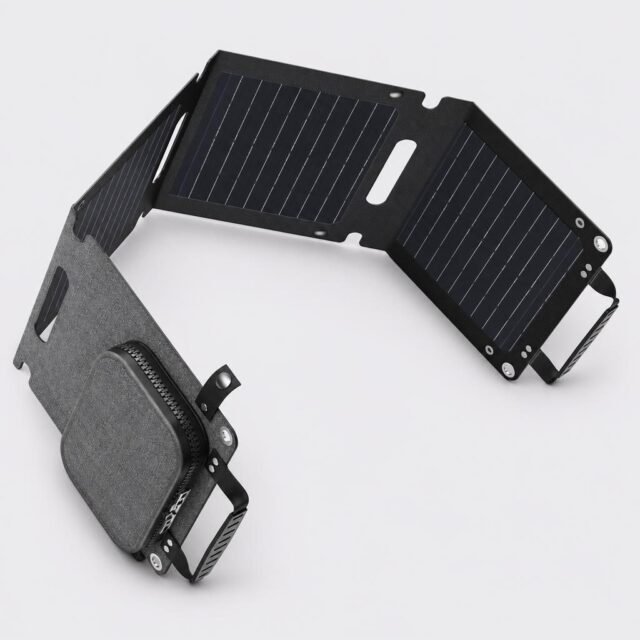
- A foldable solar panel can top up during the day.
- Keep the station shaded; heat reduces performance.
Quick answer: a 300W LiFePO4 power station with around 300Wh capacity runs phones, laptops, lights, fans and a small speaker for a weekend camp. Add a foldable solar panel for daytime top-ups and keep everything in the shade.
Sizing your station
Multiply each device’s wattage by hours of use, add it up and allow a 20 percent margin.
| Device | Use | Energy |
|---|---|---|
| Phone charges x4 | ~15Wh each | 60Wh |
| LED lights | 10W x 5h | 50Wh |
| USB fan | 8W x 6h | 48Wh |
| Laptop charge | ~60Wh | 60Wh |
Why LiFePO4
Lithium iron phosphate cells tolerate many more charge cycles than typical lithium-ion and are more thermally stable, which suits outdoor use.
Adding solar
Solar output depends on sun angle, heat and panel orientation. Read our solar charger guide.
Shop solar and outdoor power.
Frequently asked questions
Can a power station run a fridge?
Small 12V car fridges, yes, for limited hours depending on capacity. Check the fridge's wattage.
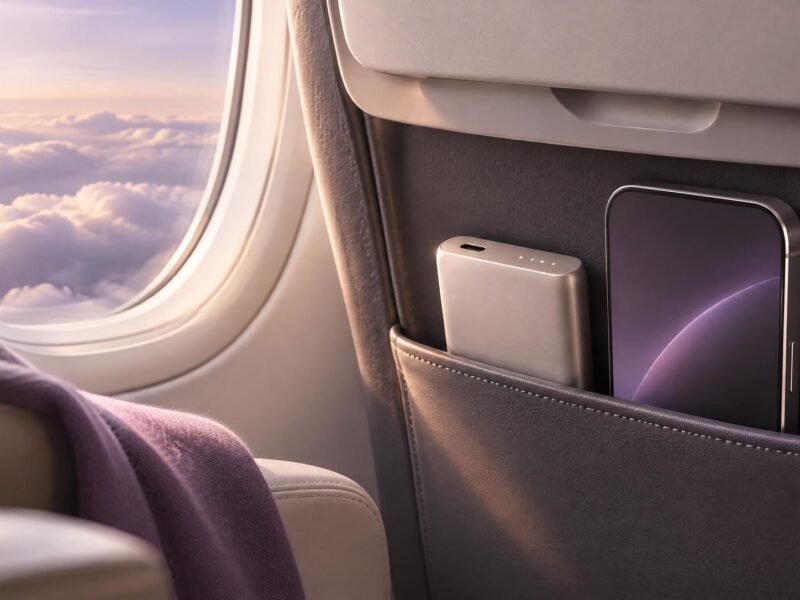
Can I take a power station on a plane?
No. Most power stations far exceed airline battery limits.
How long does solar take to charge it?
It depends on panel wattage and sun conditions; larger panels in full sun charge fastest.
Ask the Gaatly Concierge or message our team. We reply in minutes.