










Key takeaways
- The EU required USB-C on phones and many devices from 28 December 2024, and on laptops from 28 April 2026.
- Saudi Arabia introduced USB-C requirements for devices from 2025.
- Devices sold in the region are now almost all USB-C, which simplifies cables and chargers.
- One good USB-C charger and cable can now cover most of your devices.
Quick answer: the EU’s common charger rules made USB-C mandatory on phones, tablets, cameras, earbuds and other devices from 28 December 2024, with laptops following on 28 April 2026. Saudi Arabia introduced its own USB-C requirement from 2025. Because brands design for these markets, almost every new device sold in the UAE now uses USB-C.
What the EU rules cover
Phones, tablets, cameras, headphones, earbuds, handheld consoles, portable speakers, keyboards, mice and navigation devices must use USB-C for wired charging, and fast-charging devices must support USB Power Delivery. Devices can also be sold without a charger in the box.
Saudi Arabia
Saudi Arabia’s standards authorities required USB-C charging ports for phones and many electronics from 2025, with further device categories phased in after that.
What it means in the UAE
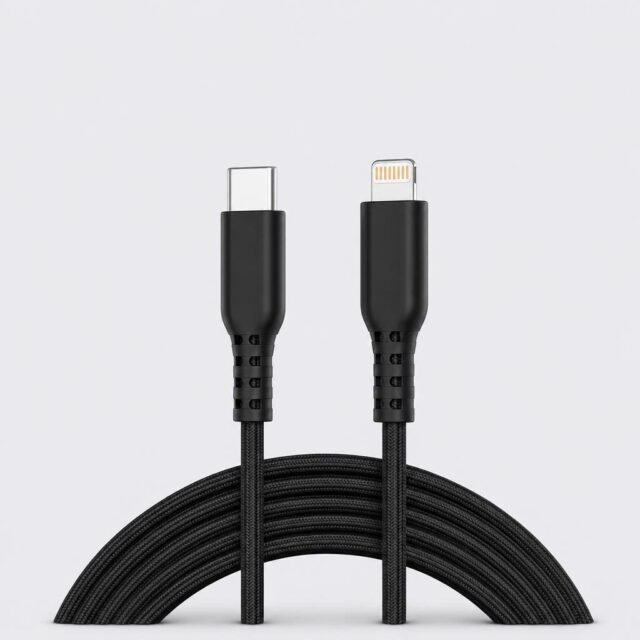
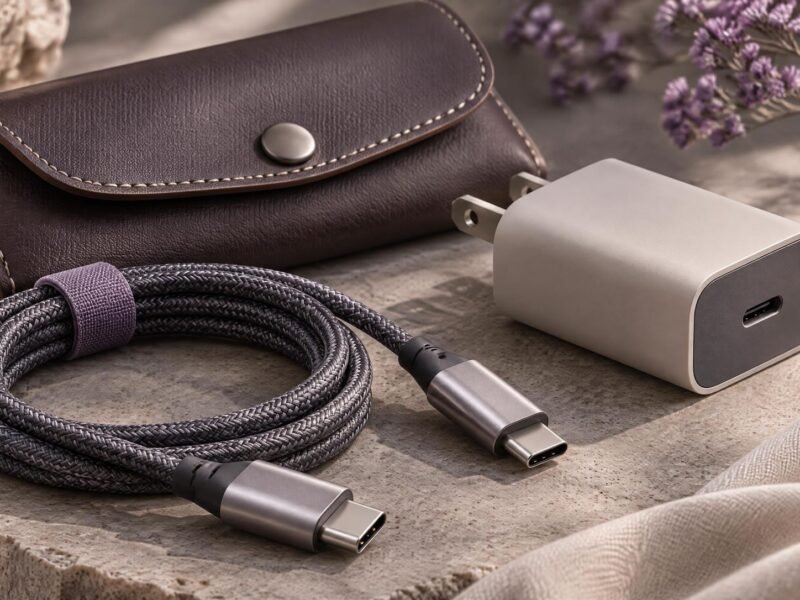
Fewer cable types, more shared chargers and fewer adapters. If you are updating your kit, invest in one quality GaN charger and a few good USB-C cables.
Start with our USB-C cable buying guide.
Standards and sources
Frequently asked questions
Is USB-C mandatory in the UAE?
We are not aware of a UAE-specific mandate, but most devices sold here now use USB-C because of EU and Saudi rules.
Do laptops have to use USB-C?
In the EU, laptops must support USB-C charging from 28 April 2026.
Will my Lightning iPhone stop working?
No. The rules apply to new devices placed on the market, not devices you already own.
Ask the Gaatly Concierge or message our team. We reply in minutes.